


Why You Should Transform Your Basement Into a Home Gym
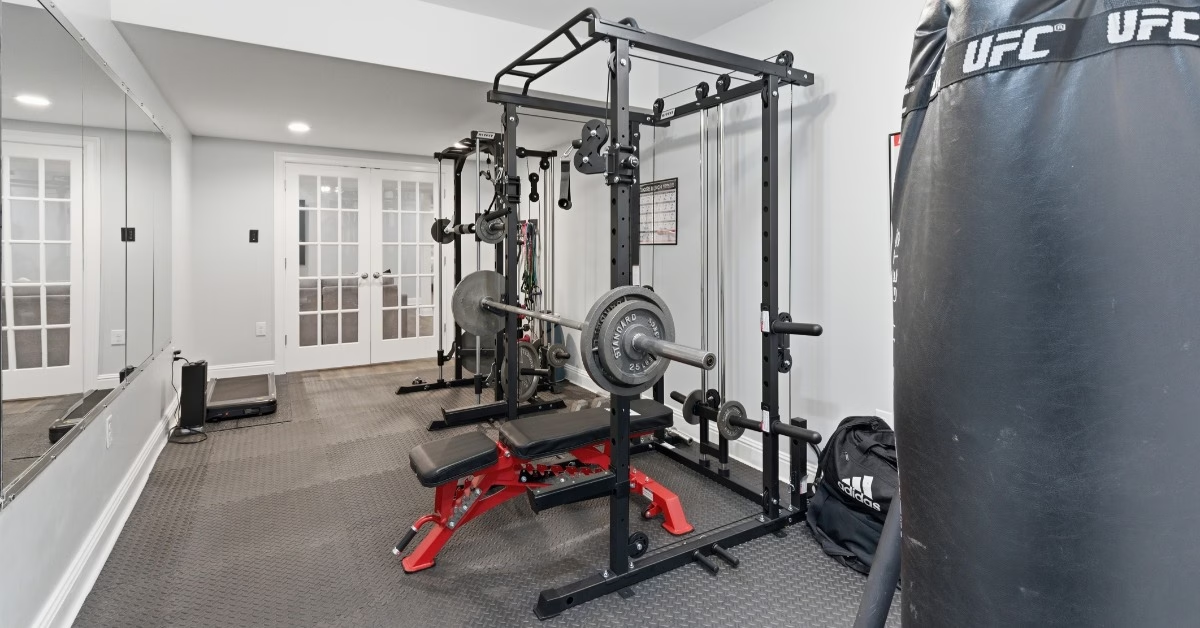
Finding time to exercise is one thing. Finding time to get to the gym is another. When the day fills up with work and family commitments, the drive across town can be enough to push a workout off the calendar. That's a good reason to transform your basement into a home gym. Learn some other reasons why the transition will be good for you below!
Make Your Workout Routine Easier to Maintain
A gym membership may offer plenty of equipment, but it also requires travel time. With a workout area downstairs, you can exercise before breakfast or fit in a session after the kids are in bed. Even a short opening in your day becomes easier to use when your equipment is already nearby.
You also get to set the pace. There's no waiting for a machine or cutting a workout short because the facility is closing. The space is available whenever you're ready, whether you prefer a structured routine or exercise when you have time.
That convenience goes beyond saving a drive. A dedicated room keeps fitness from competing with other activities around the house. Rather than moving furniture whenever you want to stretch, you can walk downstairs and get started.
Build a Gym Around the Exercise You Enjoy
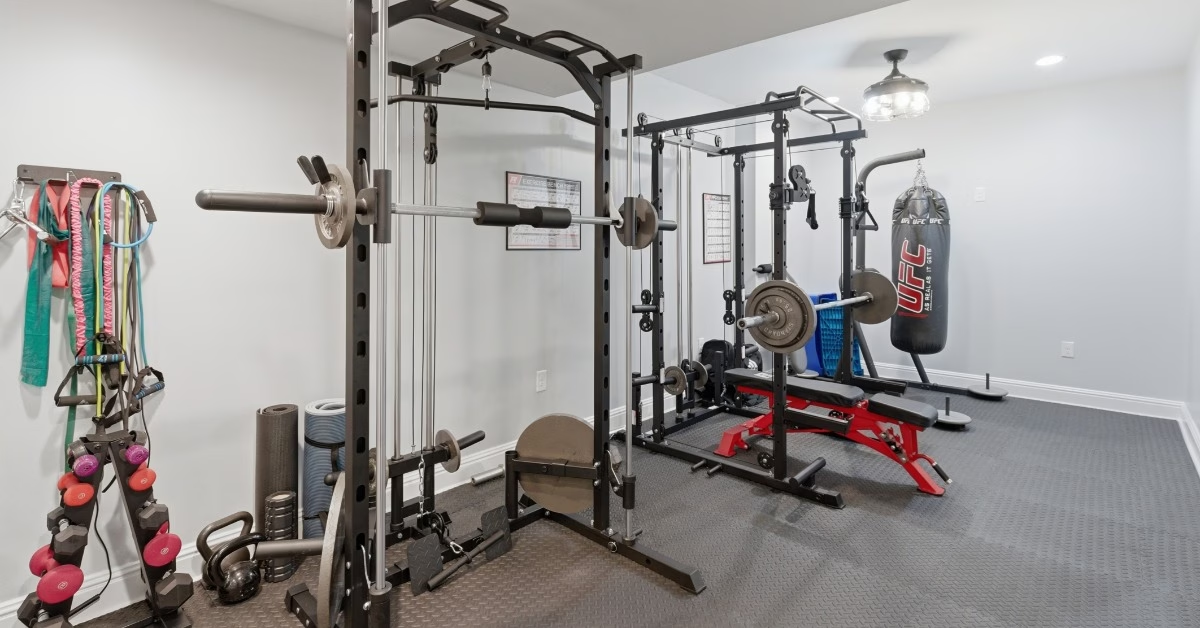
The most useful home gym isn't necessarily the one with the most equipment. It's the one that supports the workouts you'll do. Before choosing a layout, think about what you use regularly and how much room each activity requires.
A basement can accommodate different exercise styles, but each one calls for a slightly different setup:
- Strength training: Allow space around a bench or weight rack so you can lift and put equipment away comfortably.
- Cardio: Check the footprint and overhead clearance of a treadmill or elliptical before deciding where it belongs.
- Yoga and stretching: Reserve an open area large enough to extend your arms and move freely.
- Bodyweight workouts: Keep a clear section for exercises that involve stepping or moving across the room.
- Shared workouts: Consider whether two people will need to use separate areas at the same time.
You don't have to purchase everything at once. Plan around the equipment you use now, leave room for future changes, and you’ll avoid crowding the basement.
Give the Rest of Your Home Its Space Back
Workout equipment has a way of spreading into rooms meant for other things. A stationary bike ends up in a bedroom, while exercise mats and weights collect in the living room. Those arrangements may work for a while, but eventually, they can make everyday spaces harder to use.
Moving your exercise routine downstairs gives that equipment a permanent home. It also frees up the upstairs room for whatever your household needs next. For a growing family, that could mean reclaiming a bedroom rather than continuing to use it for workouts.
Make the Basement Comfortable for Exercise
A basement may offer plenty of square footage, but a good workout room needs more than open space. Before finishing it, take a closer look at the conditions that will affect how the room feels during exercise. A basement that's comfortable enough for occasional storage may need improvements before it becomes somewhere you spend time several days a week.
Plan for Safe Movement Around Equipment
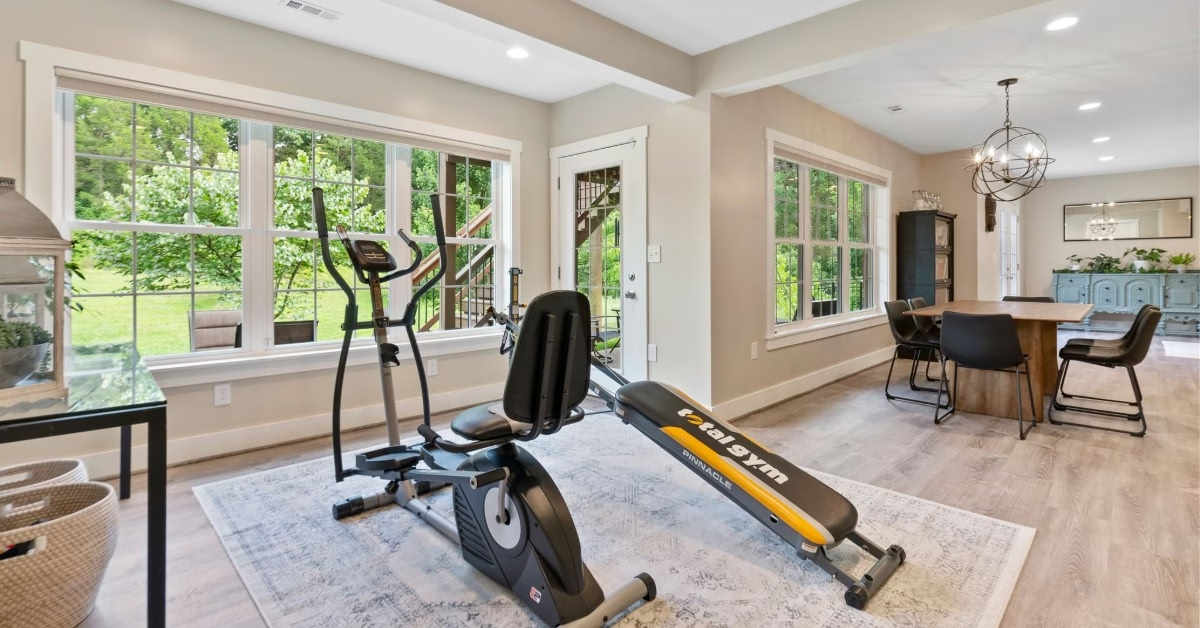
Before deciding where larger machines will go, measure the basement's ceiling height and available floor space. A treadmill may require additional overhead clearance during use, and weightlifting needs enough room to move without striking nearby surfaces. Follow the equipment manufacturer's recommendations for clearance and placement.
The surface beneath your equipment also deserves attention. The right choice depends on the activities you plan to do, and protective mats may be useful in areas where equipment rests. Leave clear paths through the room so you can move comfortably between workout stations.
Keep the Layout Useful as Your Needs Change
The way you exercise today may not be the way you exercise a few years from now. You might start with a stationary bike and later prefer more room for stretching. A layout that preserves some open floor space gives you options without requiring another major change.
That flexibility is especially helpful if several people in your household plan to use the gym. One person may want a cardio machine while another needs room for floor exercises. Thinking through how the space will be shared can prevent equipment from getting in everyone's way.
Make Better Use of the Space You Already Have
A finished basement gym offers an alternative to giving up a bedroom or planning an addition just to accommodate exercise equipment. It puts existing square footage to work in a way that supports your daily routine.
Before committing to the project, consider how much of the basement needs to be finished and whether its current conditions support your plans. The answer will depend on the room's existing state and the equipment you intend to use. Working through those questions early can help you decide which improvements deserve priority.
It's worth thinking about future use, too. A flexible finished room may appeal to a future buyer, although a home gym doesn't guarantee a particular increase in resale value. Keeping the layout adaptable means the basement could serve another purpose if your needs eventually change.
Bring Your Basement Gym Plans to Life
Turning your basement into a home gym can make exercise easier to fit into your day without taking valuable space away from the rest of your household. The right layout gives you room for the activities you enjoy while keeping the space comfortable and useful as your routine changes.
If you've been picturing a workout area downstairs, Distinctive Design Remodeling can help you figure out how to make it work in your basement. Our team provides basement remodeling services throughout Greater Central Kentucky, helping homeowners plan around their space and the way they intend to use it. Contact us to request an estimate and discuss what it would take to create a dedicated gym in your home.