


Understanding and Planning Utility Connections for ADUs
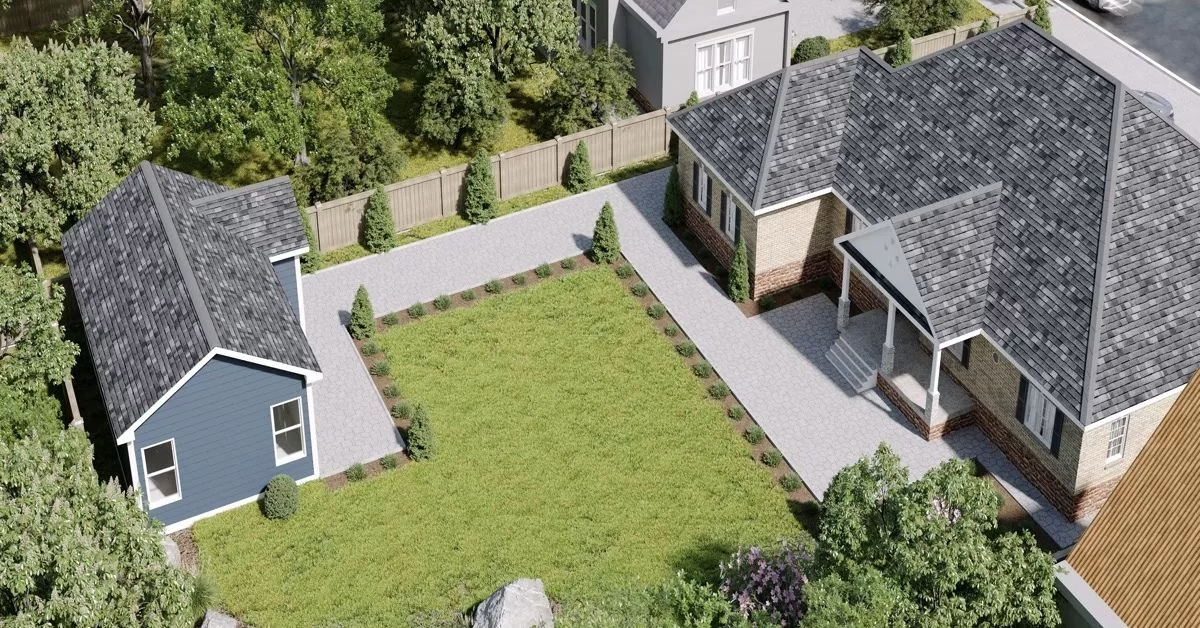
Adding an accessory dwelling unit (ADU) is an exciting way to expand your home’s potential. Whether you’re planning a private space for family or exploring rental opportunities, the details behind the build matter just as much as the design. Taking time to understand and plan the utility connections for your ADUs early in the process helps you avoid delays and unexpected costs. From water and sewer lines to electrical systems and heating, every connection plays a role in how comfortable and functional your new space will be.
Why Utility Planning Matters for Your ADU
Utility connections are what turn an ADU into a fully livable space. Without proper planning, even a well-designed layout can feel incomplete or difficult to use. These systems support everyday comfort, from running water to reliable power and consistent temperature control.
Planning utilities from the start also helps protect your investment. You can avoid mid-project changes, reduce the risk of code issues, and keep your timeline moving forward.
Working with an experienced ADU contractor makes a noticeable difference here. A knowledgeable team understands how to connect new systems to your existing home while keeping everything efficient and compliant. That kind of guidance helps you build with confidence from day one.
Understanding the Core Utility Connections
Every ADU depends on a few essential systems to function properly. While the setup may differ between homes, the core utilities remain consistent across most projects.
These include:
- Water supply
- Sewer or septic
- Electrical service
- Heating and cooling
Each system must be carefully planned to work together. In many cases, your ADU connects to your main home’s existing utilities, but capacity and layout still need to be evaluated.
When these elements are coordinated early, your new space feels like a natural extension of your home. It also helps prevent performance issues that can arise when systems are stretched too thin.
Water and Sewer Connections
Water and sewer systems are some of the most important pieces of your ADU. These connections directly affect how the space functions day to day, from simple routines to long-term reliability.
Your existing water line may be able to support the added demand, but that’s not always guaranteed. A professional evaluation looks at pressure, pipe size, and overall system capacity to ensure everything runs smoothly.
Sewer connections require just as much attention. Your ADU may tie into the main sewer line or connect to a septic system, depending on your property. Proper grading and placement help prevent drainage issues and future repairs.
Taking the time to plan these systems carefully helps avoid disruptions later. It also ensures your ADU meets local codes and performs reliably for years to come.
Electrical Systems
A well-planned electrical system keeps your ADU safe and functional. From lighting to everyday appliances, everything depends on having the right setup in place.
One key decision is whether to extend your home’s existing electrical panel or install a separate one. This often depends on how you plan to use the space over time, especially if rental use is a possibility.
Your electrical plan should include:
- Enough capacity to handle added demand
- Thoughtful placement of outlets and switches
- Efficient lighting for daily use
- Dedicated circuits for larger appliances
These details help your ADU feel complete and convenient. They also give you flexibility as your needs evolve, whether the space becomes a home office, a guest suite, or a mother-in-law suite.
Heating and Cooling
Comfort is one of the biggest factors in how enjoyable your ADU will be. Heating and cooling systems should be selected based on the size, layout, and intended use of the space.
Some homeowners extend their current system, while others install a separate option. Ductless systems are often a practical choice because they offer efficient control without major changes to your home’s structure.
A well-matched system keeps your ADU comfortable throughout the year. It also helps manage energy use, which becomes especially important if the space is used regularly.
Comparing Attached and Detached ADUs
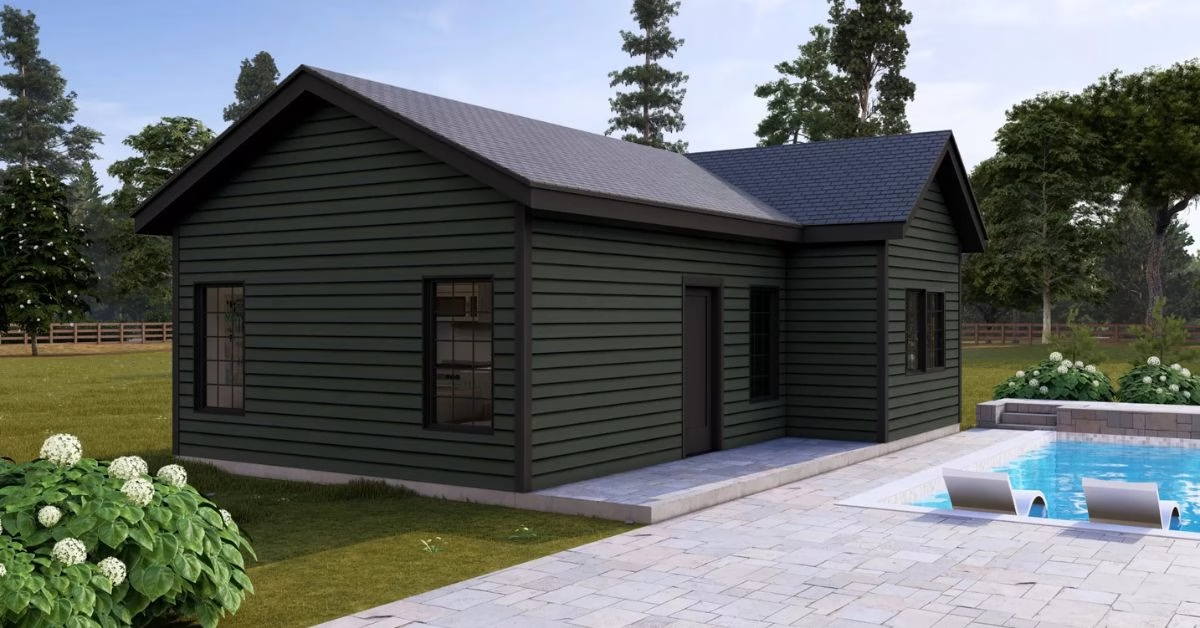
Utility planning can look different depending on whether your ADU is attached or detached. Many homeowners choose attached designs because they often simplify the connection process.
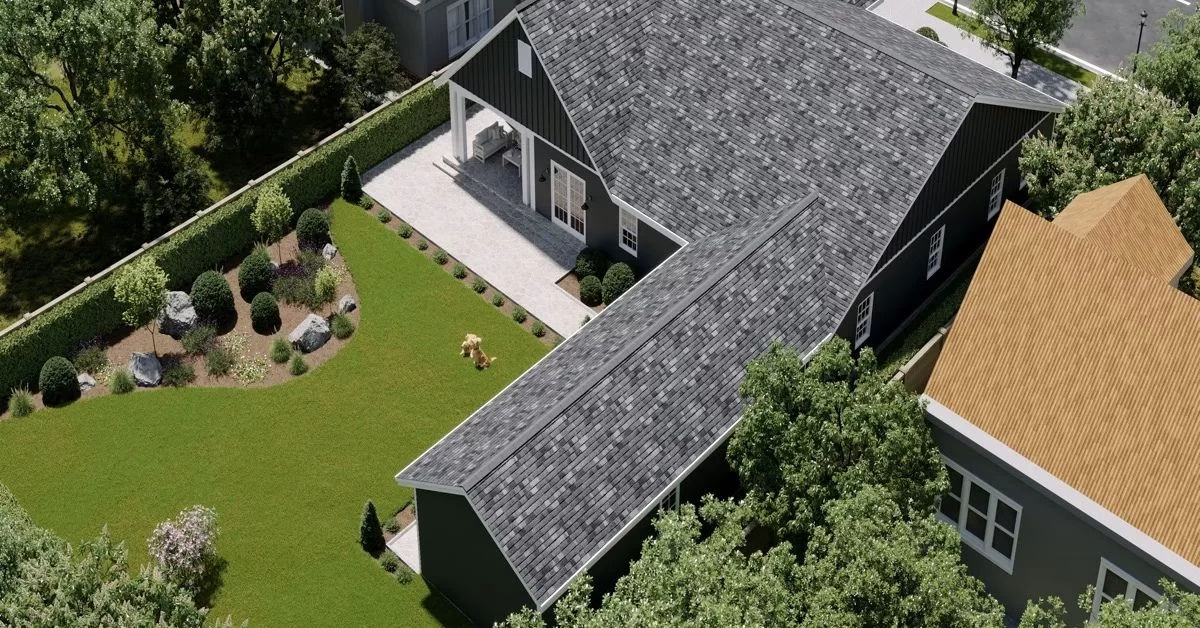
Attached ADUs typically allow easier access to existing systems. This can reduce installation complexity and help streamline the project. Even so, careful planning is still required to ensure everything functions properly.
Detached ADUs offer more flexibility and privacy but may require additional work. Running new lines across your property involves more coordination and planning. While this adds complexity, it also allows you to design a space that feels completely separate, such as a private primary suite.
Understanding these differences early helps you choose the right approach for your property and your long-term goals.
Navigating Permits and Local Requirements
Every ADU project must meet local codes and permitting requirements. These rules are designed to ensure your new space is safe, functional, and built to last.
Utility connections are a major part of this process. Inspections take place throughout the project to confirm that each system meets local standards. Skipping steps or overlooking details can lead to delays or added costs.
Working with an experienced team helps simplify this process. They manage permits, coordinate inspections, and keep everything on track. This level of support allows you to focus on the bigger picture while your project moves forward smoothly.
Why Professional Planning Makes a Difference
Planning utility connections can feel overwhelming without the right guidance. There are many moving parts, and each decision affects how your ADU performs over time.
An experienced remodeling team brings clarity and structure to the process. They recommend solutions based on your vision and handle the technical details that ensure everything works as it should.
With professional support, you benefit from:
- Custom design planning tailored to your needs
- Full project management from start to finish
- Reliable materials and installation methods
- Clear communication throughout the project
This approach helps you avoid common challenges and keeps your project aligned with your goals. It also creates a smoother experience from the first consultation to the final walkthrough.
Building a Functional ADU Starts With Smart Planning
When you take the time to understand and plan your utility connections, you create a strong foundation for your entire project. Every system works together to support comfort, efficiency, and long-term value. With thoughtful planning and the right team by your side, your ADU can become one of the most valuable and versatile parts of your property.
Start Your ADU Project With Confidence
Ready to move forward with your ADU plans? Distinctive Design Remodeling is your trusted partner in remodeling, helping homeowners across Greater Central Kentucky create spaces that improve comfort and add value.
With more than 35 years of experience and a strong reputation for quality, our team handles every detail, from utility planning to the final construction. We focus on clear communication, high-quality materials, professional results, and a process that keeps your project moving forward.
Contact us today to schedule your consultation and take the next step toward an ADU that fits your home and your future.