


Should You Live in Your Home or Leave During a Renovation?
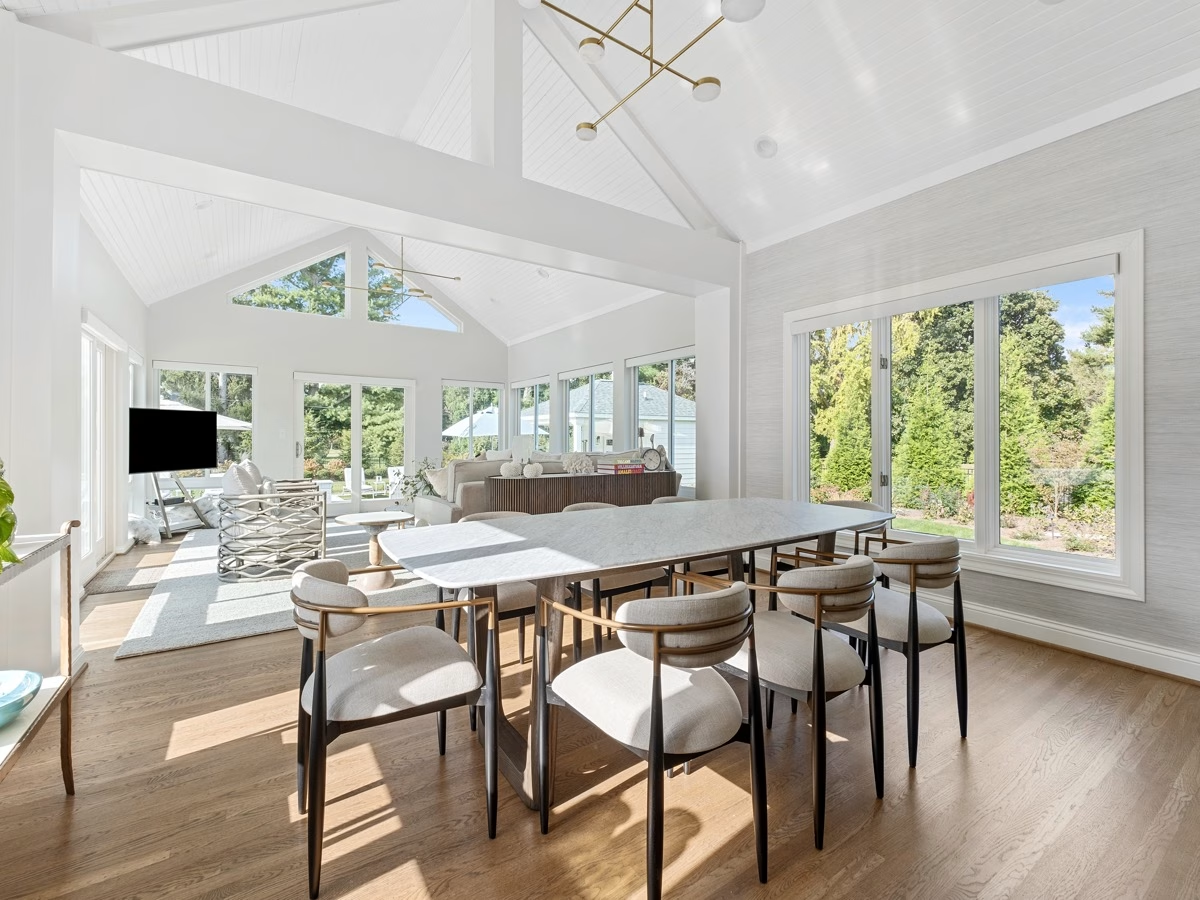
A renovation can give you extra space in your home or the better layout you have been planning for, but living through the work is a separate decision. Once construction starts, familiar rooms can become work zones and quiet time can be harder to find. Before work begins, it helps to decide whether you should live in your home or leave during a renovation. The answer depends on how much of the house will be affected and what your household can realistically manage while the work is underway.
Understanding How Much of the Home Will Be Affected
Start with the location and scope of the renovation. A finished basement may be easier to separate from everyday living areas than a room addition that connects directly to a busy part of the house. The more the project overlaps with spaces you rely on, the harder it may be to maintain your usual routine.
Also consider the parts of the house the crew will need to reach. Workers may need a clear path for carrying materials, and certain entrances may be less convenient while construction is underway. A project that seems contained on paper can still change how you move through the house.
The schedule matters too. Some phases may feel relatively quiet, while others bring more noise and activity. Ask your contractor which stages are likely to affect the rest of the home so you can decide whether staying makes sense for the entire project or only part of it.
Keeping Daily Life Separate From the Work Zone
If you plan to stay at your home during the renovation, the work area should be easy to avoid during normal daily life. You should understand which spaces will be off-limits and how your household will move through the home while crews are present. Make sure you also have a dependable way to reach the entrances you use. Clear separation between living areas and construction areas can make staying much more manageable.
Children and pets can make that separation especially important. Frequent deliveries and changing conditions around the work zone may require more supervision than usual. If your household cannot reliably stay clear of the construction area, temporary housing may be worth considering during the busiest stages.
Planning Around Noise and Daily Disruptions
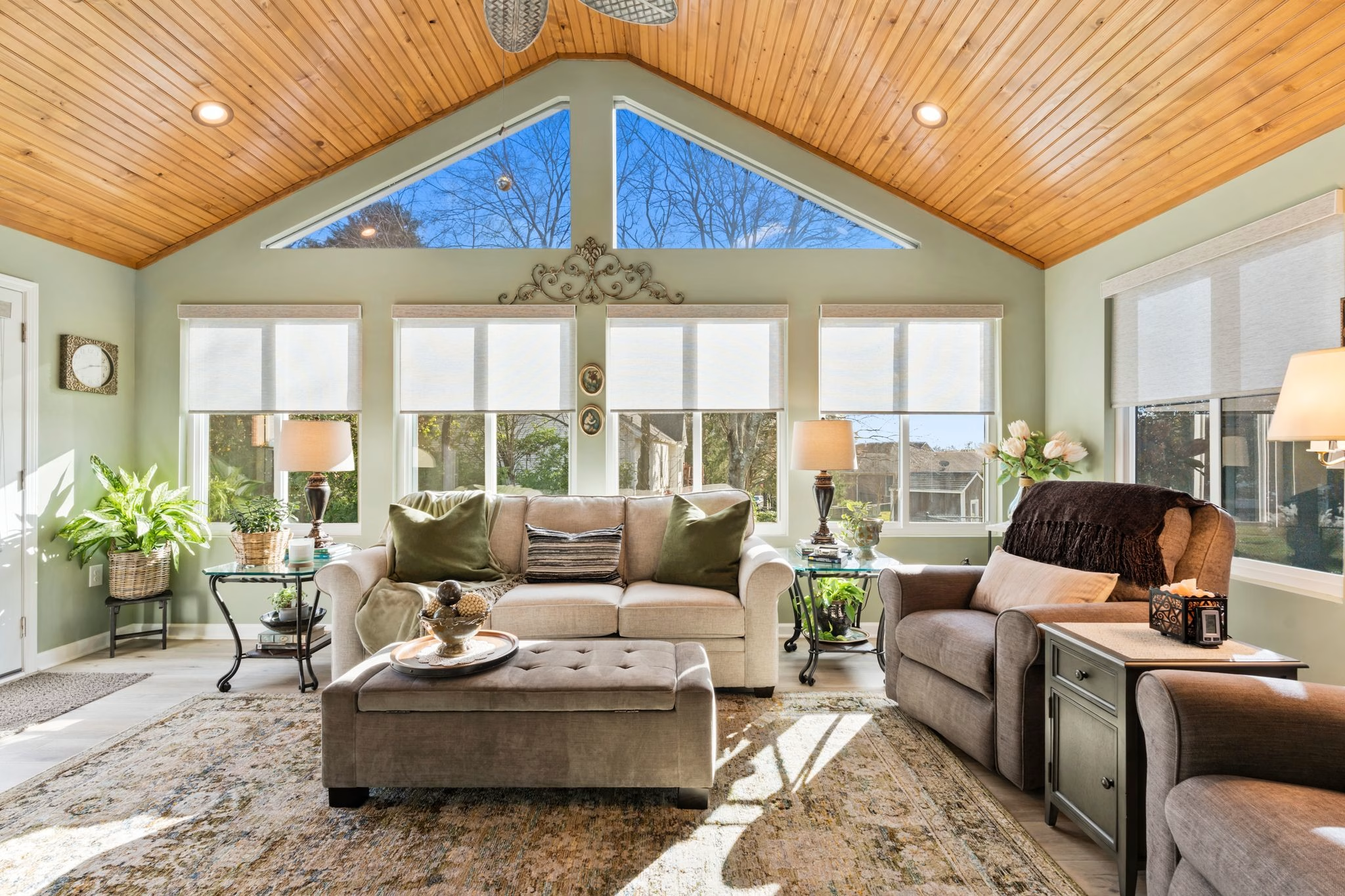
Construction noise is temporary, but it can be hard to ignore when you are home during the day. If you work from home or need quiet during certain hours, even a well-organized renovation may interrupt your routine. Be realistic about how much noise your household can tolerate before deciding to stay.
Dust and worker traffic can also change how comfortable the home feels. Barriers and cleanup practices can help contain the work, but they do not make an active renovation invisible. Some homeowners are comfortable adjusting for a while, while others find the constant activity exhausting.
Before making your decision, consider whether you will still have:
- A comfortable place to sleep and relax
- A dependable area for work or school
- Clear access to the parts of the home you use every day
- Enough separation from the work zone to feel comfortable at home
If several of those basics will be difficult to maintain, leaving for at least part of the project may make daily life easier.
Accounting for Your Household’s Needs
What feels manageable varies from one household to another. A household that spends most weekdays away from home may barely notice some phases, while someone who works remotely may feel every hour of construction. Your routine matters as much as the project's size.
Think about how each person in the household handles noise and reduced privacy. Different work schedules or sleep schedules can make a manageable project feel much more intrusive. A family with young children may also have fewer options for simply moving to another part of the house when construction gets busy.
Pets deserve the same consideration. Some animals adjust well to unfamiliar sounds, while others become stressed by repeated door openings or activity around the home. If keeping pets safely separated will be difficult, arranging for them to stay elsewhere during certain phases can simplify the decision.
Comparing the Cost and Convenience of Leaving
Moving out temporarily can reduce daily disruption, but it creates another set of logistics. Temporary lodging adds additional costs, and staying farther away may affect commuting or school routines. You may also need to decide how often you want to return to the property.
Weigh those inconveniences against what staying would require. If remaining at home means losing a practical place to work or spending every day adjusting around construction, saving on temporary housing may not feel like much of a benefit. The most affordable option isn't always the easiest for your household.
If leaving seems likely, plan for it before work begins. Looking at lodging early in the process gives you more control over where you stay and how the move fits into your schedule.
Choosing Between a Full Move and a Temporary Stay
The decision does not have to be all or nothing. You may be able to stay at your home during less disruptive stages and leave only when the project affects access or creates heavier activity inside the home.
A conversation with your contractor can help you identify those points in the schedule. Ask when the work is expected to connect with the existing house and when normal access may change. For a larger custom home remodeling project, knowing those details early in the process can help you plan around the phases when staying home will be hardest.
Deciding whether to live in your home or leave during the renovation ultimately comes down to matching the construction plan to your household. If you can preserve safe access and a comfortable place to spend your time, staying may be reasonable. If the project repeatedly disrupts the spaces your household depends on, leaving temporarily may make the experience easier.

Making the Renovation Easier on Your Household
Where you stay during a renovation is only one part of the planning process, but it can greatly affect how the project feels day to day. Consider the work area and your household’s routines, then identify the phases most likely to disrupt daily life. A realistic plan lets you prepare for those changes before construction begins, instead of reacting as they happen.
Distinctive Design Remodeling helps homeowners throughout Greater Central Kentucky plan projects with the realities of living through construction in mind. Our team can help you understand how the work may affect your home and plan around the more disruptive phases before construction starts. Contact our team to request an estimate and talk through your project, including whether staying home may be practical during different stages of the work.