


How Much Square Footage Should You Add to Your Home?
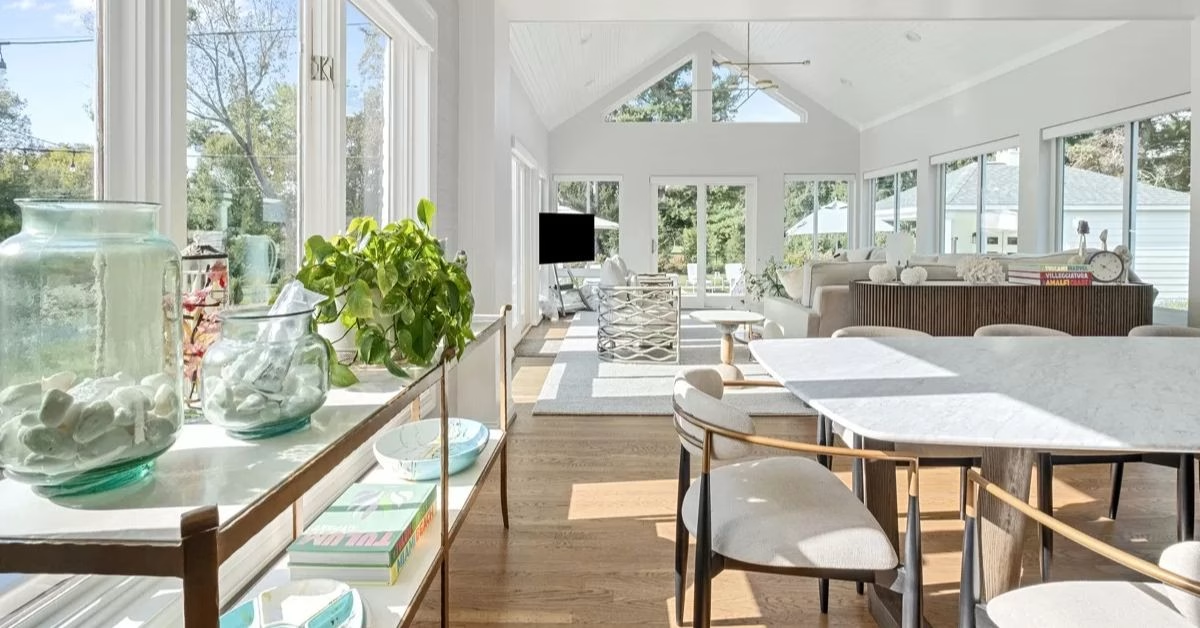
If your home is starting to feel tight, you’re probably asking a common question: how much square footage should you add to your home to make it work better for your daily life? The answer isn’t one-size-fits-all. It depends on your lifestyle and how you want your home to feel moving forward.
A well-planned addition can reshape how you use your space. With the right approach, you can create a layout that feels more comfortable and better suited to your needs.
Understand Your Reason for Adding Space
Before deciding on square footage, start with the reason behind the addition. The “why” shapes everything from the layout to size, and it helps you avoid building too much or not enough. When your goals are clear, your decisions tend to fall into place more easily.
Think about where your home feels limited right now. You might need more room for a growing family, a quieter space to work, relatives moving in, or a better setup for hosting guests. Each situation points to a different type and size of addition.
It also helps to look at your daily routines. Where does your home feel crowded? Which areas get used the most? Those answers usually highlight where added square footage will make the biggest difference.
Once you define your primary goal, you can begin shaping an addition that truly supports how you live.
Determine the Right Amount of Square Footage
After identifying your goals, the next step is deciding how much space will actually meet those needs. It’s easy to focus on numbers, but function matters more than square footage alone. A well-designed space often feels larger than it measures.
Think about how the space will be used every day. Expanding an existing room may only require a modest increase, while adding a new living area usually calls for more square footage.
You’ll also want to consider how furniture, storage, and your daily routines fit into the plan. Leaving enough room to move comfortably—and not just fit everything in—makes a noticeable difference in how the space feels.
Here’s a helpful way to think about different addition sizes:
- 100–300 square feet is ideal for bump-outs or expanding existing rooms.
- 300–600 square feet works well for family rooms, offices, or multipurpose spaces.
- 600+ square feet is better suited for suites or larger additions.
The goal is to create enough room to improve daily life without overextending your home or your budget.
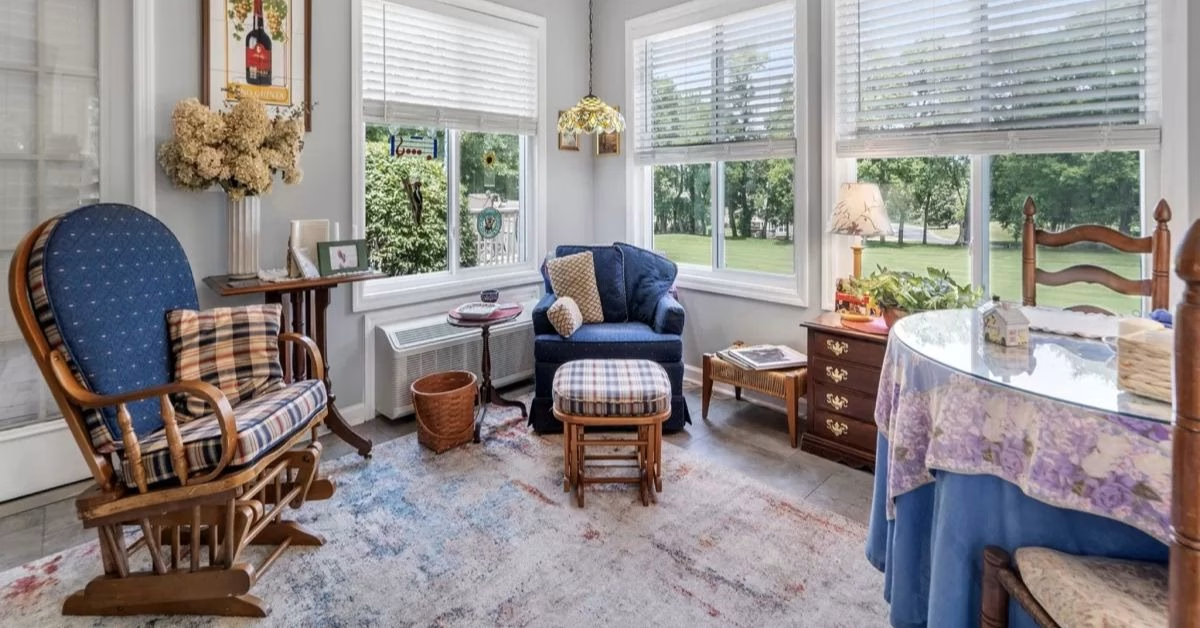
Evaluate How the Addition Fits Your Layout
Adding square footage should improve how your home works as a whole. The new space should feel like it belongs, not like it was added as an afterthought. Careful planning makes that possible.
Take a close look at how your home flows today. Are there bottlenecks, awkward transitions, cramped areas, or spaces that don’t get used? A well-planned addition can help smooth those issues out while making your home feel more open.
It’s also worth thinking about how the new space will look alongside the rest of your home. Matching materials, finishes, and the overall style helps everything feel cohesive instead of disconnected.
A well-integrated addition should:
- Improve traffic flow between key living areas.
- Maintain a consistent look with your existing architecture.
- Bring in natural light where possible.
- Support how your family actually uses the space.
When everything connects naturally, the addition enhances both comfort and long-term value.
Plan for Long-Term Flexibility and Value
When deciding how much square footage to add to your home, it’s important to look toward the future. Your needs today may not be the same as a few years from now, and a flexible design helps your home keep up.
A space that serves more than one purpose tends to hold its value longer. What starts as a home office could become a guest room later. A playroom might eventually shift into a quieter retreat or hobby space.
You can also plan for flexibility by keeping layouts open and leaving room for adjustments. Thoughtful design choices now can help you avoid needing another major renovation down the road.
If you plan on selling your home in the future, additions that feel purposeful and adaptable often stand out. Buyers tend to notice when extra space is both useful and well thought out.
Balance Budget, Property, and Local Requirements
Square footage decisions are shaped by practical factors, too. Your budget, your property, and local regulations all play a role in what’s possible. Finding the right balance keeps the project realistic and worthwhile.
Budget influences both the size of your addition and the level of finishes you choose. In many cases, a slightly smaller space built with quality materials offers better long-term satisfaction.
It’s also smart to think about the return on your investment. Additions that improve daily living and overall functionality tend to hold their value better over time.
Your property layout matters as well. Lot size, setbacks, and available outdoor space may limit how much you can expand. Sometimes building upward makes more sense than building outward.
Local zoning and permitting requirements should be considered early. Working with an experienced home addition contractor helps ensure everything is handled properly from the start.
Work With an Experienced Remodeling Partner
It’s easier to know how much square footage you should add to your home when you have the right guidance. A professional team can help you weigh your options and make decisions that fit your goals.
An experienced remodeling partner brings insight into the layout, materials, budget, and project timeline. They help you avoid common missteps while keeping your project aligned with your vision.
They can also help you think through details you may not have considered, from more durable fixtures to optimizing the layout. That support early on can make the entire process smoother.
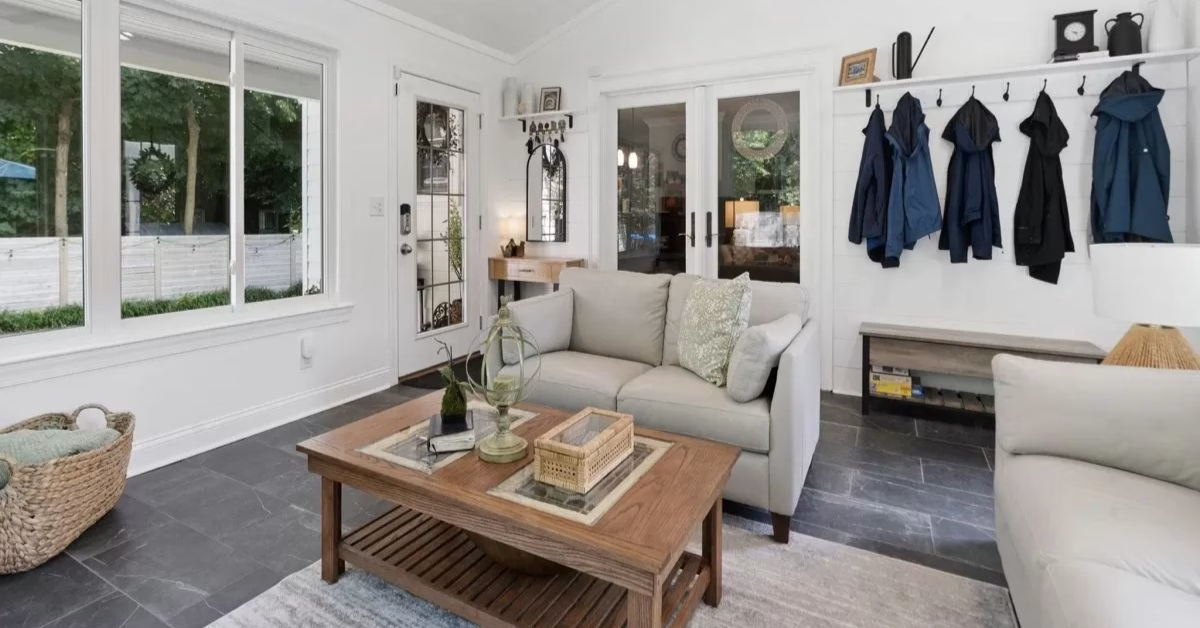
Create the Right Space for Your Home and Lifestyle
Adding square footage is one of the most effective ways to improve how your home feels and functions. The right amount of space can make everyday routines easier while giving you more flexibility for the future. Careful planning helps ensure the results feel natural and lasting.
If you’re ready to explore your options, Distinctive Design Remodeling is here to help. With more than 35 years of industry experience and a strong focus on customer satisfaction, our team understands how to create additions that improve both comfort and value. As your trusted partner in remodeling, we provide custom design, high-quality materials, and full project management.
Contact us today to schedule your consultation and start creating a space that fits your home and your life. When you work with us, you can build with confidence and experience the difference thoughtful planning makes.