


How To Transform Your Basement Into a Home Theater
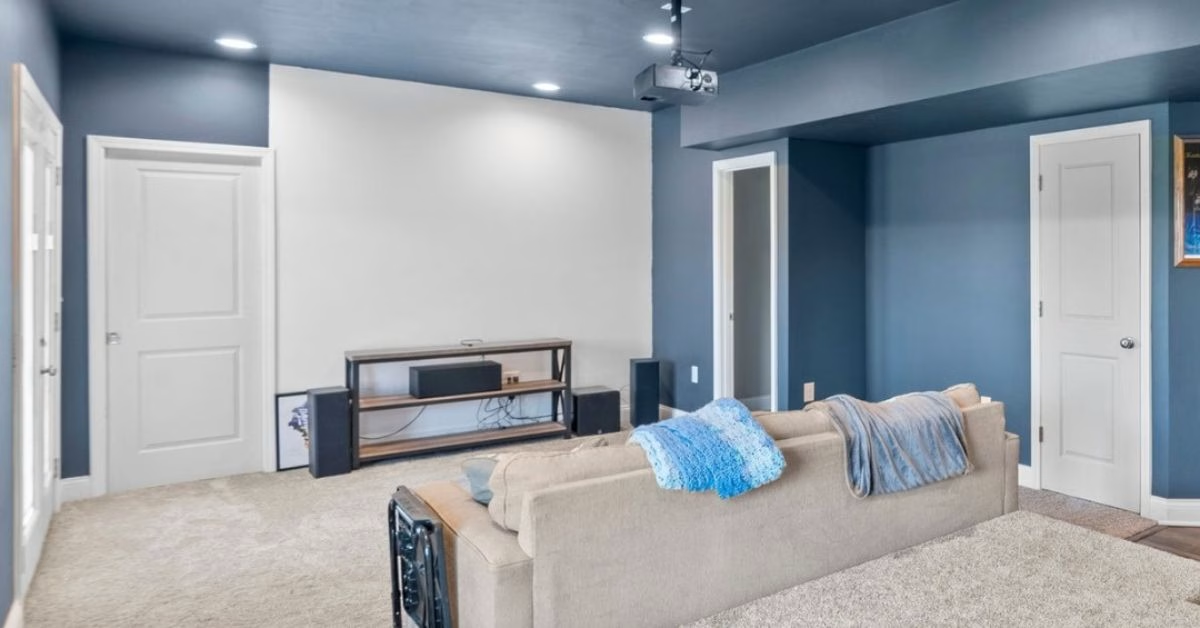
If you’ve ever wanted the full movie-night experience without leaving home, your basement might be the perfect place to start. Learning how to transform your basement into a home theater gives you a dedicated space for entertainment without taking over your main living areas. With smart planning and quality craftsmanship, your basement can become the go-to spot for family film nights, big games, and relaxed evenings with friends.
Why a Basement Works Perfectly for a Home Theater
Basements already offer two of the biggest advantages for a theater setup: darkness and separation. Fewer windows mean better light control, and being below the ground level naturally reduces outside noise. That combination makes it easier to create an immersive viewing experience.
A basement theater also keeps the activity contained. While one group is enjoying a loud action movie, the rest of the household can unwind upstairs. That separation helps your home feel more functional and better suited to different routines.
Finishing your basement turns underused square footage into a purposeful living space. Instead of storage bins and forgotten boxes, you gain a room designed around comfort, connection, and long-term value.
Create a Smart Layout That Maximizes Comfort
The layout sets the stage for everything that follows. Before choosing seating or equipment, decide where the screen will live and how traffic will move through the room. Clear sightlines and a natural flow make a bigger difference than most homeowners expect.
Door placement matters, too. You don’t want guests walking in front of the screen during a movie. Positioning entry points toward the side or back of the room helps avoid distractions and keeps the focus where it belongs.
Ceiling height, support beams, and mechanical systems all influence your design. An experienced remodeling team can incorporate soffits or architectural details that make those elements feel intentional. If you’re adding multiple rows, a raised platform in the back improves visibility and adds that authentic theater feel.
As you plan how to transform your basement into a home theater, think about flexibility. A small snack bar, built-in storage, or open space for extra seating can make the room more adaptable. Designing with the future in mind ensures the space continues to serve your family well over time.
Design for Superior Sound and Acoustics
Sound is what truly separates a home theater from a standard TV room. Without thoughtful planning, audio can echo, feel uneven, or carry into other areas of the house.
Insulating the ceiling and walls helps contain sound within the space. Acoustic panels, fabric wall treatments, and carpeting absorb excess noise and sharpen clarity. These upgrades create a balanced environment where dialogue is crisp, and effects feel powerful.
Speaker placement also deserves careful attention. Surround sound systems work best when positioned to distribute audio evenly throughout the room. Subwoofers need proper placement to prevent rattling or overly heavy bass in certain spots.
It’s also important to address background noise. HVAC systems or mechanical equipment can create subtle hums that distract from quiet scenes. Insulating or relocating components where possible makes a noticeable difference. Professional calibration brings everything together, ensuring your system performs at its best.
Choose the Right Screen and Visual Setup
Your screen will naturally become the focal point. Some homeowners prefer a large flat-screen television, while others opt for a projector and dedicated screen for a more cinematic feel. The best option depends on room size, lighting control, and personal preference.
Screen size and placement should feel proportional to the space. Mounting it at the correct height and distance prevents neck strain and improves comfort during longer movies.
Select Seating That Enhances the Experience
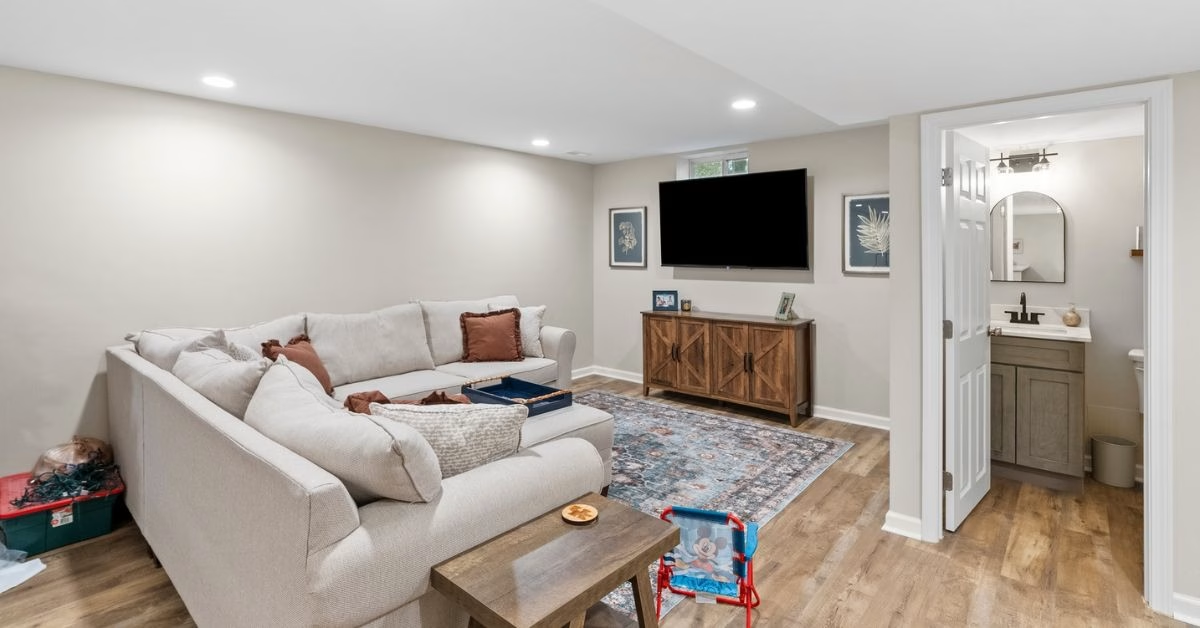
Comfort is what turns a theater room into a favorite gathering place. Recliners, tiered platforms, or a large sectional can all work well depending on the layout.
When planning seating, keep these factors in mind:
- Clear viewing angles from every position
- Comfortable spacing between rows
- Easy access to aisles and exits
- Durable, easy-to-clean materials
If you’re installing multiple rows, elevating the back row helps to improve sightlines. High-quality cushions and supportive seating make it easy to enjoy extended movie marathons or full game-day coverage.
Incorporate Lighting and Smart Controls
Layered lighting gives you flexibility. You may want brighter lighting while guests arrive and softer lighting once the movie begins. Dimmers make those transitions effortless.
Accent lighting along steps or beneath seating improves safety and adds subtle character. LED strip lighting can create a theater-style glow without distracting from the screen.
Smart controls tie everything together. Adjusting lighting, sound, and video settings from one remote or app keeps the experience simple and seamless. That level of integration adds convenience while reinforcing the custom feel of the space.
Add Custom Finishes That Elevate the Space
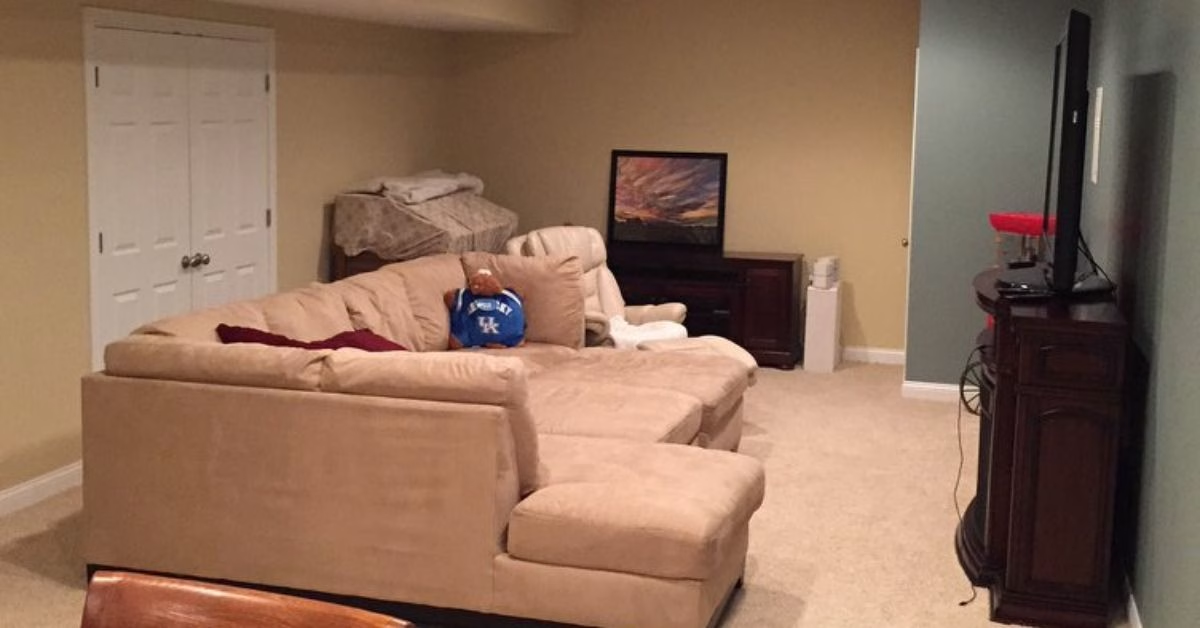
The finishing touches are what set the tone. Rich, darker paint colors reduce glare and create a cozy atmosphere. Textured panels or fabric accents add depth without overwhelming the room.
Custom cabinetry keeps equipment organized and wires out of sight. Built-in shelving provides storage for media, games, or decor while maintaining a clean look. A compact beverage bar or snack station makes hosting easier and keeps traffic contained.
Choosing quality materials ensures the space holds up well over time. Durable flooring and well-crafted trim details keep your basement theater looking polished long after the first premiere night.
Plan for Electrical and Code Requirements
Home theaters demand careful electrical planning. Projectors, speakers, subwoofers, and lighting systems all require properly placed outlets and sufficient circuit capacity.
Working with professionals ensures wiring is concealed safely and installed to meet local code requirements. Proper permits and inspections protect your investment and provide peace of mind.
Comprehensive project management keeps the process organized from start to finish. With experienced oversight, you can feel confident that every element has been handled correctly.
Increase Your Home’s Value
A basement theater enhances more than entertainment. It adds usable square footage and expands how your home functions day to day. Instead of an underused lower level, you gain a destination space designed for connection and comfort.
Finished basements often appeal to future buyers, even if they envision a different use for the room. The added space and infrastructure still carry value.
Creating a basement theater is a practical way to expand living space without altering your home’s footprint. It allows you to stay rooted in the neighborhood you love while improving livability and long-term potential.
Turn Your Basement Into the Ultimate Entertainment Space
Understanding how to transform your basement into a home theater opens the door to a more engaging, comfortable home. With thoughtful design, quality materials, and expert project management, your basement can become one of the most enjoyable spaces in your house.
Whether you're exploring home improvement in Louisville, KY or anywhere else across the state, a basement theater project requires experienced guidance. Distinctive Design Remodeling has served Kentucky homeowners since 2007, bringing more than 35 years of industry experience to every project. As a BBB-accredited, award-winning remodeling company, we focus on quality craftsmanship and customer satisfaction from start to finish.
Ready to create a custom basement theater tailored to your lifestyle? Contact Distinctive Design Remodeling today to schedule your consultation. Let’s build a space where unforgettable movie nights feel right at home.