


JADU vs. ADU: 5 Key Differences To Consider
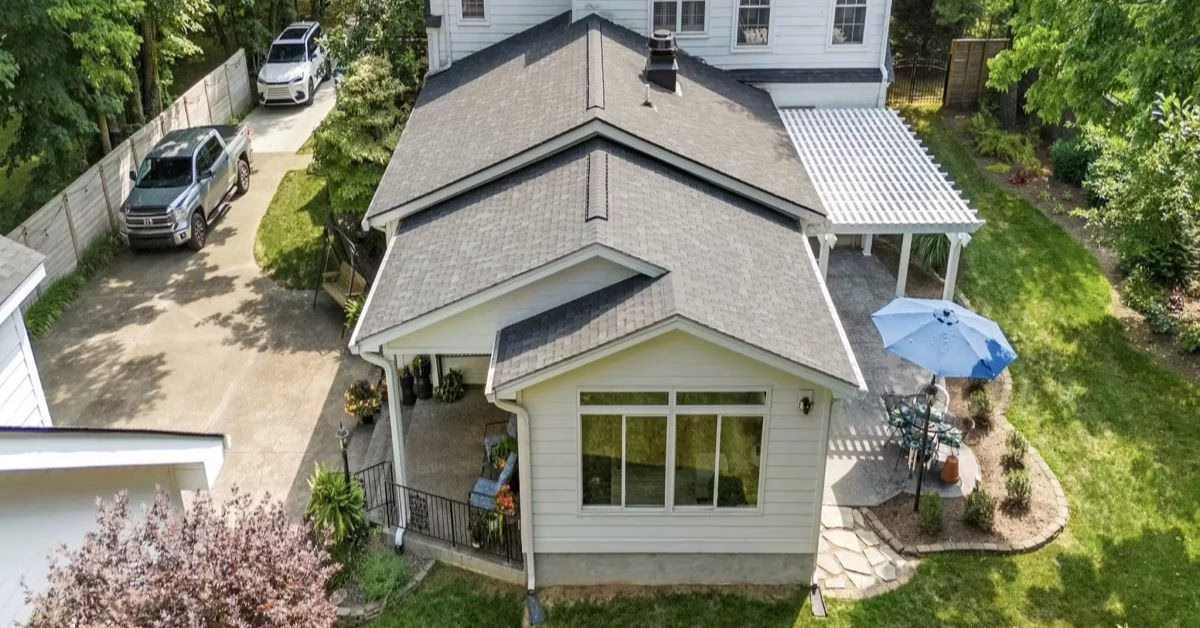
Homeowners across Kentucky are looking for ways to add flexible living space without leaving the homes they love. Accessory dwelling units (ADUs) and junior accessory dwelling units (JADUs) often come up when families need more room or want to plan for changing living situations. These additions can create space for relatives, guests, or even future rental opportunities.
Understanding the differences between a JADU and an ADU helps homeowners choose the right type of upgrade. When comparing the two options, several important factors stand out, including size, amenities, privacy, and long-term flexibility.
Understanding What an ADU Provides
An accessory dwelling unit (ADU) is a fully functional secondary living space located on the same property as a primary residence. The unit can be attached to the home, built as a new addition, or designed as a separate structure elsewhere on the property. Some homeowners also convert existing areas like garages or basements to create an ADU.
Because ADUs function as independent living spaces, they typically include a bedroom, full bathroom, kitchen, and private entrance. These features allow someone to live comfortably without relying on the main home for everyday needs.
Many homeowners build ADUs for flexible living arrangements. A well-designed unit can serve as a guesthouse, a quiet home office, or a comfortable mother-in-law suite for aging parents who want independence while staying close to family.
Understanding What a JADU Provides
A junior accessory dwelling unit (JADU) is a smaller living space created within the existing structure of a home. Instead of building a separate addition, a JADU typically converts part of the primary residence into a compact unit.
JADUs usually include a small kitchenette and a sleeping area within a single room. They may also have a private entrance when possible, although they often share certain utilities or structural components with the main home.
Homeowners sometimes choose this option when they want to make better use of unused interior space. While smaller than a traditional ADU, a JADU can still provide a convenient private retreat for family members or long-term guests.
Size and Space Requirements
One of the most noticeable differences between these two types of units is their size. ADUs are designed as complete living environments, which means they require more square footage and dedicated rooms for everyday living.
Because they operate as independent homes, ADUs usually include separate areas for sleeping, cooking, and relaxing. This layout gives residents the comfort and functionality they expect from a private living space.
JADUs, by contrast, are much smaller. They are created within an existing room or section of the home and focus on efficiency rather than spacious layouts. For homeowners deciding between the two options, the available space on the property often becomes a major factor.
Kitchen and Living Amenities
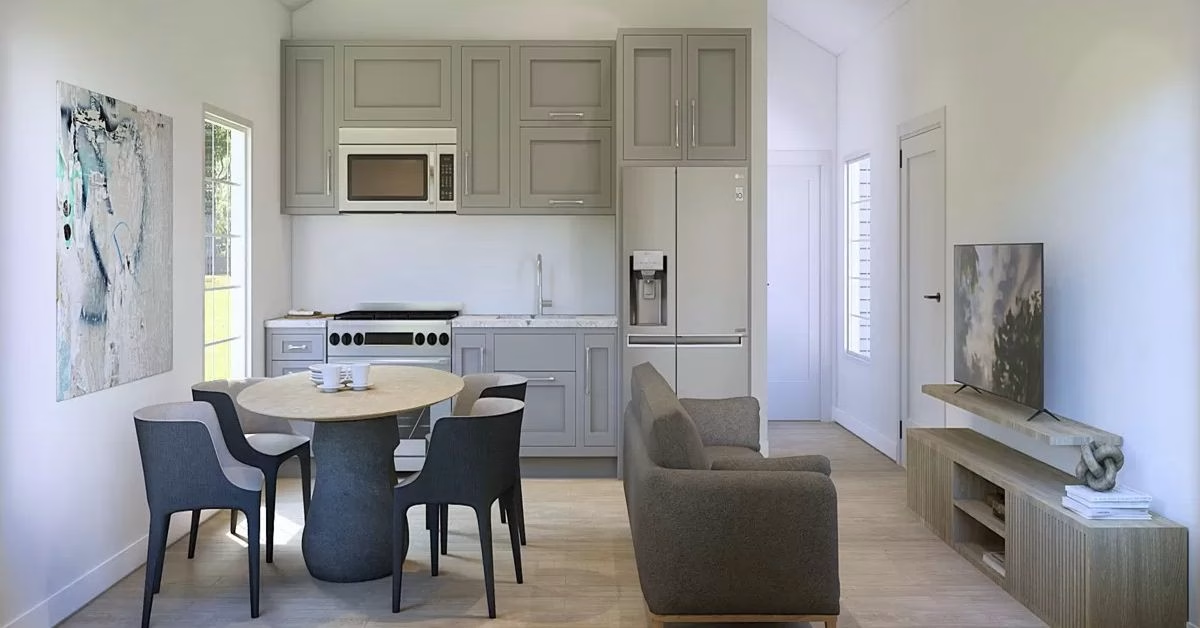
Kitchen and living features represent another major difference between these housing options. A full ADU includes a standard kitchen with major appliances, making it possible for someone to live there independently.
This setup also includes a private bathroom and designated living areas. The result is a space that functions much like a small apartment or guesthouse.
JADUs generally include a kitchenette rather than a full kitchen. While this smaller setup supports basic cooking needs, it does not offer the same level of functionality as the kitchen found in a traditional ADU.
Privacy and Independence
Privacy is a major factor for many homeowners exploring additional living space. ADUs usually provide greater separation from the main residence because they include their own entrances and complete living amenities.
This independence makes them especially appealing for multigenerational living arrangements. Families can stay close while still enjoying personal space and privacy.
JADUs typically remain more connected to the primary home because they are created within the existing structure. Even with a private entrance, residents may share certain utilities or walls with the main house.
Construction and Renovation Scope
The level of construction involved also differs significantly between these two options. Building an ADU often requires a larger remodeling project, especially if the unit is being added to the home or built as a detached structure.
These projects involve design planning, permits, and coordination to ensure the new living space blends naturally with the property. Experienced professionals help guide homeowners through the process from concept to completion.
JADUs usually involve modifying existing interior space rather than expanding the home’s footprint. Because of this, the project scope may be smaller, although it still requires careful planning to ensure the space functions well.
Long-Term Flexibility and Value
Another key difference involves how each option supports future flexibility. ADUs often provide more versatility because they function as full living spaces with complete amenities.
Homeowners may use them for guests today and adapt them for other needs in the future. Some families convert these spaces into private primary suite extensions, independent living areas, or flexible guest accommodations over time.
JADUs can still add convenience and usable space, but their smaller footprint and partial integration with the main house may limit how they are used in the future. For homeowners thinking long term, the independence of an ADU often provides more possibilities.
Planning the Right Addition for Your Home
Choosing between these two types of living spaces depends largely on your goals for the property. Some homeowners simply want a compact space for guests or relatives, while others want a fully independent residence that expands how their home functions.
If you are weighing the decision between a junior accessory dwelling unit and a traditional ADU, it helps to explore the design possibilities with a professional. An experienced accessory dwelling unit builder can evaluate your property, explain local considerations, and recommend a layout that fits your needs.
With thoughtful planning, your home addition can enhance comfort, increase flexibility, and improve how your home supports your lifestyle.
Build a Flexible Living Space With Confidence
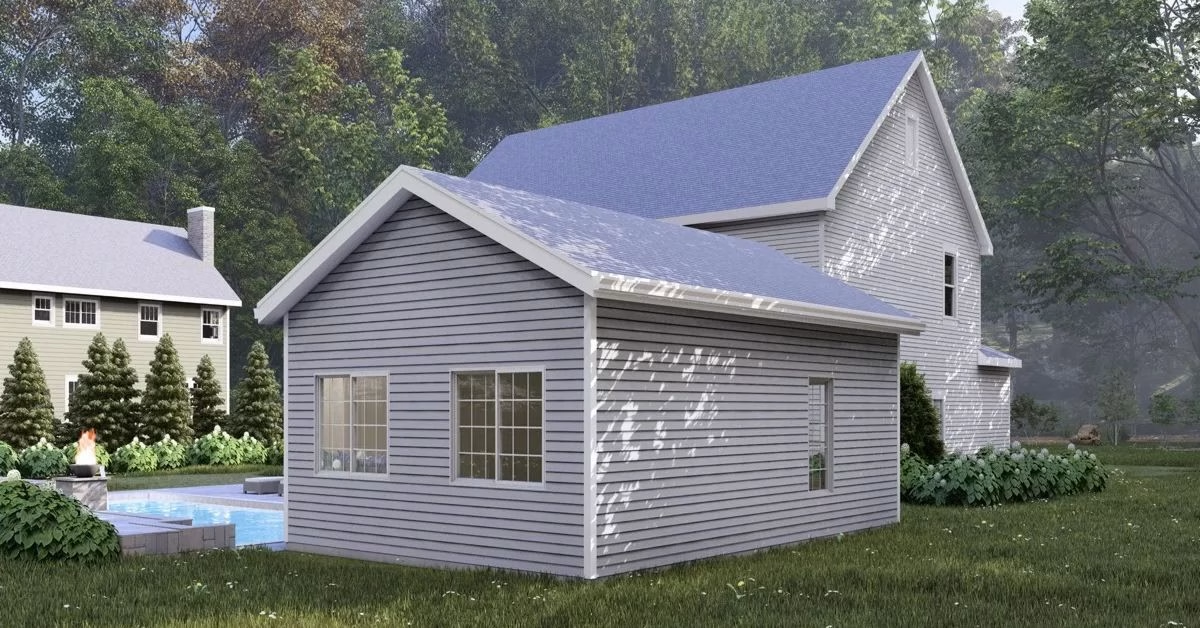
Adding a secondary living space is one of the most flexible ways to improve how your home works. Whether you are planning a private guesthouse, a comfortable mother-in-law suite, or a dedicated space for family members, the right design can create lasting value.
Distinctive Design Remodeling has been helping homeowners across Kentucky expand their homes since 2007. With more than 35 years of industry experience, our team provides custom remodeling solutions that turn dreams into reality.
If you are ready to explore the possibilities for an ADU or home addition, contact Distinctive Design Remodeling today to schedule a consultation and build with confidence alongside your trusted partner in remodeling.